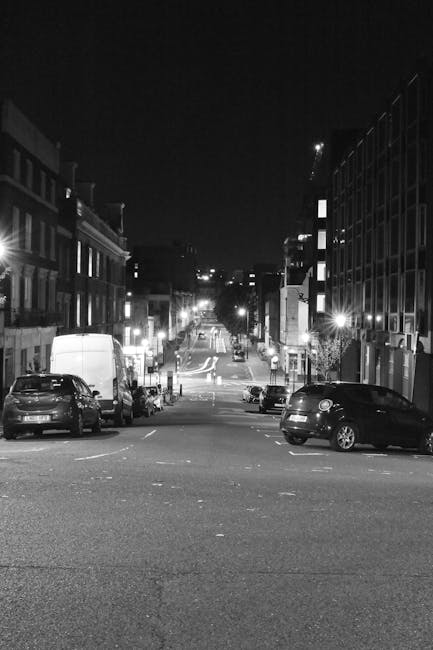
Late evening removals common problems South Kensington

If you are planning late evening removals common problems South Kensington can throw at you, you are not alone. Evening moves sound convenient on paper: less disruption, fewer people around, and maybe a bit more breathing room if the day has been chaotic. But once the light fades and the clock keeps moving, the small things can stack up fast. Parking gets tighter. Lifts are busier or already locked down. Neighbours are less forgiving. And everyone is just a little more tired, which never helps.
This guide breaks down the real issues people run into with late evening moves in South Kensington, why they happen, and what actually helps. It is written for anyone trying to move after work, after school, or after office hours without turning the whole evening into a stress festival. Let's face it, moving is rarely elegant. But it can be controlled.
Below, you will find practical steps, common mistakes, local considerations, and a clear checklist to help you plan with far fewer surprises.
Why Late evening removals common problems South Kensington Matters
South Kensington is one of those areas where timing matters as much as the move itself. Streets can be busy during the day, residential parking can be limited, and access around flats, mews houses, managed buildings, and shared entrances can be awkward even when things are calm. By evening, you might expect things to get easier. Sometimes they do. Sometimes they do not.
The main issue is that late evening removals compress the whole operation into a smaller window. You have less daylight, less margin for delay, and often less tolerance from the building, neighbours, or whoever else is involved. A lift that stops working at 7:45 pm, a missing key, or a van that arrives five minutes late can suddenly matter a lot more than it would at midday.
That is why understanding the common problems upfront is useful. Not dramatic. Just practical. You are trying to move things safely, quietly, and without upsetting the block or ending up carrying a wardrobe up two flights of stairs at 9:30 pm. Nobody wants that.
There is also a simple human factor. Evening moves often happen after a full day of work, school runs, phone calls, or packing in bits and pieces. Tired people make rushed decisions. Rushed decisions lead to forgotten essentials, poor loading order, and avoidable damage. A little planning goes a long way here.
Expert summary: Late evening removals in South Kensington work best when access, parking, building rules, packing order, and realistic timing are sorted before the van arrives. The move is usually not difficult in itself; the problems come from time pressure and access friction.
How Late evening removals common problems South Kensington Works
Late evening removals are not a different type of move so much as a different rhythm. You are still dealing with the same core stages: arrival, loading, transport, unloading, and placement. What changes is the environment around them.
In South Kensington, that environment can include controlled parking, one-way streets, shared entrances, concierge desks, lift booking slots, and a mix of residential and commercial properties. A move that would feel straightforward at 11 am can be noticeably more awkward at 8 pm if access is narrow or if the building closes communal facilities at a set time.
A typical evening move might look like this:
- The removals team arrives early enough to assess access and plan the load order.
- Boxes and furniture are brought out in a sequence that protects the most fragile or time-sensitive items first.
- Parking and loading are managed carefully to reduce delay and avoid attention from neighbours or enforcement issues.
- Transport to the destination happens with the route chosen for predictability rather than speed alone.
- On arrival, items are placed by room rather than dumped in one pile, which saves a headache later. Trust me, future you will appreciate that.
The common problems usually show up when one of these steps is underprepared. For example, if the lift is reserved but the booking was never confirmed, the whole move can stall. If the van is too large for the street layout, you may end up with a lot of walking, a lot of heavy lifting, and a lot of muttering under your breath.
Even the weather matters more in the evening. A dry winter evening in London can feel sharp and dim by the time you are carrying a sofa from a hallway to a vehicle. Slippery paths, low visibility, and tired hands are not a brilliant combination. Small details, yes, but they add up.
Key Benefits and Practical Advantages
To be fair, there is a reason people choose evening removals. When done properly, they can be genuinely helpful. South Kensington is a busy place, and an out-of-hours move can sometimes fit around your life better than a daytime slot.
Here are the main advantages:
- Less disruption during the working day. If you cannot take a full day off, an evening move may be the only practical option.
- Potentially easier building access. Some residents and commercial premises have fewer people around after office hours, which can reduce congestion in shared areas.
- Better fit for staged moves. If you are moving in phases, evening removals can help with the final transport of essential furniture and boxes.
- More privacy. Fewer passers-by and less daytime foot traffic can make the process feel calmer.
- Less interruption to customers or staff. For businesses, evening office removals can reduce downtime. A sensible option if the handover window is tight.
That said, benefits only show up when timing and access are managed well. The evening itself does not solve the move; it just changes the conditions. And the conditions in South Kensington can be a bit picky, shall we say.
A smaller but real benefit is emotional. Evening moves can feel less public. If you are moving out of a flat after a break-up, a job change, or a stressful rental situation, not having half the street watch you carry out a lamp and a kettle can feel oddly relieving. Small mercy, but still.
Who This Is For and When It Makes Sense
Late evening removals are not for everyone. They are best for people who have a clear reason to move after normal hours and who can tolerate a little extra planning. If you need speed without friction, a daytime move is often easier. If you need flexibility around work or building access, evening may be the better fit.
This kind of move often suits:
- Residents who work full-time and cannot take a whole day off
- Families trying to avoid disruption to school routines
- Tenants who must hand back keys by a certain deadline
- Office teams moving after closing time
- People relocating furniture into a managed building with restricted access windows
- Anyone trying to split a move across two days or two locations
It makes sense when the move is relatively structured and the essentials are already packed. It is less suitable when a home is still half-full of loose items, or when you know access is unpredictable. If your building has awkward gate codes, no lift booking, and a narrow road outside, an evening move can still work. But it needs more coordination, not less.
One practical rule of thumb: if you are asking yourself, "Can we just wing it?" the answer is probably no. Evening removals reward people who have checked the details beforehand. Not perfection. Just enough organisation to keep the evening from drifting into chaos.
Step-by-Step Guidance
Here is the simplest way to approach a late evening move in South Kensington without overcomplicating it.
1. Confirm the time window
Start with the actual move window, not the hopeful one. Ask when the van can arrive, how long loading is expected to take, and whether the destination has any cut-off times for access, lifts, or parking. A 7 pm start sounds fine until you realise the final handover is meant to happen before 9 pm.
2. Check access at both ends
Look at stairways, entrance widths, lift availability, keys, intercoms, and parking restrictions. In evening removals, access is often the thing that trips people up. A building manager saying "the lift is available" is not the same as knowing how to operate it at 8:15 pm. Tiny difference, huge impact.
3. Pack the load in the right order
Put the first-needed items somewhere sensible and label boxes clearly. Keep bedding, chargers, toiletries, tea bags, and important documents apart from general contents. In a tired evening state, nobody wants to search five boxes for a phone charger while balancing a lampshade.
4. Prepare for low light and noise sensitivity
Have torches, phone lights, and clear pathways ready. Protect floors, corners, and doorframes if the route is tight. Keep the noise down where possible, especially around communal corridors or shared entrances. Late evening does not leave much room for loud furniture scraping. You know the sound. Nobody enjoys it.
5. Load carefully and avoid last-minute reshuffling
Keep heavier items secure and fragile items separate. A good removals crew will try to avoid repeated handling, because that is where scratches, dents, and breakages tend to happen. If you keep changing your mind about what goes on the van first, everything slows down.
6. Unload with a room-by-room plan
Once you arrive, place items directly into the correct room where possible. If you are too tired to unpack, that is fair enough. But the more clearly you separate bedroom, kitchen, and office items now, the easier the next morning will feel.
7. Keep a small overnight kit accessible
This should include the basics: kettle stuff, phone chargers, a change of clothes, medication if relevant, keys, and a toilet roll or two. People laugh about this until they need it. Then it stops being funny very quickly.
Expert Tips for Better Results
After enough evening jobs, a few patterns become very clear. The move itself is rarely the only issue. It is the timing, the handover points, and the tiny misunderstandings that cause trouble.
- Book a slightly earlier arrival than you think you need. Even 20 minutes of buffer can absorb traffic, parking delays, or building delays.
- Use colour-coded labels or room tags. This is one of those annoyingly simple tricks that really does help.
- Keep communal areas clear. If you are moving through a shared hall or entrance, do not leave boxes spread out while you "just grab one more thing".
- Warn neighbours or the building manager in advance. A polite heads-up can reduce complaints later. People tend to be more patient when they know what is happening.
- Have a realistic finish time. Evening removals often run later than planned, so build in a cushion and do not schedule your day like a military operation.
- Check the van size against the route. In narrow London streets, a huge vehicle is not always the best choice.
One little thing that helps more than people expect: keep a small roll of tape and a marker in your pocket. Not in a box. In your pocket. When it is 8:40 pm and someone asks, "Which box has the laptop cable?", you will be glad you did.
Also, avoid making the move feel like a race. Evening removals can go wrong when everyone starts acting as though five minutes saved is worth risking a bruised hand or a chipped table. Usually it is not.
Common Mistakes to Avoid
This is where many late evening moves go sideways. Not because the team is inexperienced, but because the planning got fuzzy. Or because everyone assumed someone else had checked something. A classic move mistake, honestly.
- Assuming parking will sort itself out. It rarely does. In South Kensington, parking can be one of the biggest friction points.
- Leaving packing until the same day. If boxes are still open at 6 pm, the move will probably feel messy and rushed.
- Ignoring building rules. Some properties have lift booking times, access procedures, or noise expectations that matter more in the evening.
- Not separating essentials. This creates needless searching once you arrive at the new place.
- Choosing a vehicle that is too large for the street. Bigger is not always better. Sometimes it is just harder to place.
- Forgetting food and water. A tired, hungry person makes poor decisions. It is very basic, but there it is.
- Underestimating how long unpacking takes. A late evening move is not usually the moment to build furniture or reorganise the entire kitchen.
One common error deserves special mention: treating the evening like an extension of the day. It is not. By 9 pm, concentration drops, noise tolerance drops, and even simple tasks feel longer. Your brain, frankly, starts acting like a battery in winter.
Tools, Resources and Recommendations
You do not need a warehouse full of equipment for a smoother move, but a few tools make a real difference. The aim is not to overbuy. It is to make the job less awkward and more controlled.
| Tool or resource | Why it helps | Best use case |
|---|---|---|
| Strong boxes and labels | Keep items organised and easier to place by room | Any home or office move |
| Furniture covers and blankets | Protect edges, finishes, and fragile surfaces | Bulky furniture, mirrors, tables |
| Tape, marker, and scissors | Quick fixes and clear labelling | Last-minute packing adjustments |
| Torches or phone lights | Improves visibility in dim hallways or stairwells | Evening loading and unloading |
| Trolley or sack barrow | Reduces heavy lifting and speeds up transport | Boxes, appliances, short internal moves |
| Room plan or inventory list | Helps avoid missing items and confusion on arrival | Multi-room homes and office relocations |
If you are comparing removals options, look at the services that match your actual move rather than the fanciest headline. For example, a smaller, flexible option like man and van may suit lighter evening moves, while fuller removal services may be better for larger households or more complex access.
If you are relocating a home rather than a single room, it can also help to compare home moves with a more specialised house removals approach, especially if stairs, parking, or volume are likely to be an issue. For office users, office removals may be the more relevant fit.
For planning and budgeting, the most useful resource is often a clear estimate process. You can review pricing and quotes early, rather than waiting until the evening window is already tight. That one step can save a lot of back-and-forth later.
Law, Compliance, Standards, or Best Practice
Evening removals in London are usually less about formal legal complexity and more about sensible compliance with local conditions, building rules, road restrictions, and duty of care. Still, best practice matters. A lot.
Here are the main points to keep in mind:
- Parking and loading restrictions: South Kensington streets may have controlled parking, bay restrictions, or loading limitations that affect timing. Check before the van arrives rather than hoping for the best.
- Building access rules: Many apartment blocks, mansion flats, and managed properties have their own procedures for lift use, deliveries, and quiet hours.
- Noise awareness: Late evening work should be handled with care, especially in shared residential buildings. Quiet handling is simply good practice.
- Insurance and handling standards: It is sensible to know how belongings are covered during loading and transit, and whether the provider has suitable safeguards in place. Review insurance and safety information before booking.
- Health and safety: Safe lifting, clear walkways, and proper use of equipment matter even more when fatigue is part of the picture. A reliable provider should take this seriously. You can also check a company's health and safety policy.
If you are moving commercial items or office contents, there may also be internal building rules around access, overnight security, and handover responsibility. That is not something to guess at. Clarify it early. Saves awkward calls later.
It is also wise to understand how the company handles unexpected issues, complaints, and service follow-up. Nobody wants to think about that when booking, but good process is a sign of maturity. The same goes for basic trust signals such as about us information and transparent terms and conditions.
Options, Methods, or Comparison Table
Not every late evening move needs the same setup. The best method depends on size, access, urgency, and how much lifting is involved. Here is a simple comparison to help you decide.
| Method | Best for | Pros | Trade-offs |
|---|---|---|---|
| Man and van | Smaller homes, single-room moves, lighter loads | Flexible, usually quicker to organise, useful for short-notice timing | Less suitable for large or highly complex moves |
| Full removals team | Large household moves, heavier furniture, more boxes | More labour, more structure, less strain on you | Usually needs more planning and coordination |
| Office removals | Workplaces, desks, files, equipment | Can reduce downtime and fit out-of-hours access | Requires more attention to handover and sequence |
| Self-managed move | Very small moves with easy access | More control over timing and handling | Physical effort, more stress, and more chance of delays |
In practical terms, evening moves with a tight time window often work best with a simple, well-briefed setup rather than an overcomplicated one. If your move is straightforward, a lean approach can be enough. If your property has stairs, fragile furniture, or awkward access, extra support is usually worth it.
A van is just a van until it has to reverse into a tight South Kensington street at dusk. Then it becomes a little more interesting, shall we say.
Case Study or Real-World Example
Here is a realistic example, based on the kind of move many people in South Kensington deal with.
A couple in a first-floor flat needed to move out after work on a weekday. Their landlord wanted the keys back the next morning, so the only sensible option was an evening move. They had boxes packed, but the larger items were still sitting in the lounge, and the building had a lift that required advance booking.
At first glance, it looked simple enough. Then the practical issues showed up: the road outside had limited stopping space, the lift slot was shorter than expected, and one of the sofas did not fit cleanly through the corridor without a small repositioning. Nothing disastrous, but enough to add time.
What helped?
- They confirmed the lift booking the day before.
- They separated essentials into one overnight box each.
- They told neighbours about the move, which reduced complaints.
- They used a smaller, more manoeuvrable vehicle rather than trying to force a larger one into the street.
- They kept the final clear-out for after the bulk of the items had already gone.
The move still took longer than their ideal plan. Of course it did. Evening removals often do. But because the basics were handled early, it stayed manageable instead of turning into a late-night scramble. That is usually the real difference between a decent move and a miserable one.
Practical Checklist
Use this checklist before your evening move begins. A quick run-through here can prevent a lot of fuss later.
- Confirm the start time and estimated finish time
- Check parking and access at both addresses
- Book lifts or building access where needed
- Pack fragile items and label boxes clearly
- Separate essentials for the first night
- Protect floors, corners, and furniture edges
- Keep torches or phone lights ready
- Make sure keys, codes, and contacts are easy to find
- Tell neighbours or the building manager if appropriate
- Review safety, insurance, and terms before the move
- Have water and snacks available
- Leave a little buffer for delays because, honestly, there usually are a few
Quick tip: if you can do only one extra thing, prepare an "open first" box. Put it somewhere obvious. Toothbrush, chargers, kettle bits, toilet roll, and any medication. That one box can save your evening.
Conclusion
Late evening removals in South Kensington are absolutely doable, but the common problems are predictable: access, parking, fatigue, building rules, noise, and time pressure. Once you know where the trouble tends to appear, the move becomes much easier to manage. That is the real win here.
Keep the plan simple. Check the access. Pack properly. Do not treat the evening like a race. And if the move feels larger or trickier than expected, choose a setup that gives you more support rather than less. Sometimes the smartest move is the one that reduces friction, not the one that sounds cheapest on paper.
For a smoother result, review your options carefully, compare the level of support you actually need, and make sure the team you choose understands the realities of moving in South Kensington after hours. A calm move is still possible. Not effortless, maybe. But calm enough. And that counts for a lot.
Get a free quote today and see how much you can save.
Frequently Asked Questions
What are the most common problems with late evening removals in South Kensington?
The main issues are parking, building access, lift availability, tiredness, low light, and limited time if something runs late. In South Kensington, street layout and shared building rules can make those problems more noticeable than people expect.
Are late evening removals more expensive than daytime moves?
Not always, but pricing can depend on timing, vehicle size, labour, and how complex the move is. Evening work may be costlier if it needs extra coordination or if the provider has limited availability. It is best to ask for a clear quote early.
Can a late evening move work in a flat with a lift?
Yes, but you should confirm booking times, access codes, and whether the lift will still be available when the removals team arrives. A lift helps, but only if it is actually usable during the move window.
How do I avoid disturbing neighbours during an evening move?
Keep noise down, protect walls and floors, avoid blocking communal spaces, and let neighbours know in advance if possible. Small things make a real difference in shared buildings.
What should I pack first for an evening removals job?
Start with non-essentials and clearly labelled boxes. Keep your overnight essentials separate: chargers, toiletries, keys, kettle items, medication, and a change of clothes. That way you are not hunting through boxes late at night.
Is a man and van suitable for late evening removals?
Often yes, especially for smaller moves, single-room relocations, or lighter loads. A man and van setup can be a sensible choice if your move is simple and the access is manageable.
What if my building has strict evening access rules?
Check them before booking anything. Ask about lift slots, loading bay rules, entrance procedures, and any quiet hours. If the access window is very tight, you may need to adjust the move time or choose a different method.
How far in advance should I book a late evening removal?
The sooner the better, especially in a busy area like South Kensington. If you have a fixed handover or a narrow access window, booking early gives you more options and reduces the chance of last-minute stress.
What kind of insurance or protection should I ask about?
Ask how belongings are protected during loading, transit, and unloading, and whether the provider has clear procedures for handling damage or loss. It is wise to review insurance and safety details before confirming anything.
Do I need to prepare differently for an office move in the evening?
Yes. Office moves often involve equipment, files, and handover timing, so sequence matters more. It is worth looking at office removals options if your move includes desks, IT gear, or sensitive items.
What if the move runs later than expected?
Build in a buffer from the start. Keep the most essential items accessible, make sure the destination is ready, and do not schedule other important commitments too tightly afterwards. Evening moves can drift, so a little flexibility helps.
How can I tell if a removals company is reliable?
Look for clear communication, transparent pricing, sensible safety practices, and easy-to-find policy information. Pages such as about us, terms and conditions, and health and safety policy can give you a better feel for how the company works.
What is the biggest mistake people make with evening moves?
Underestimating how much time and energy the evening schedule actually leaves you with. Once the day has already happened, everyone is a bit more tired, and small delays feel bigger. Good preparation is what keeps that from snowballing.